.png)




Publications
This growing collection of publications shares insights, strategies, and bold ideas for building more resilient, inclusive, and sustainable urban futures.
Leading Cities' Publications
Each piece of literature published by Leading Cities reflects our commitment to advancing smart city innovation—bringing together research, real-world solutions, and cross-sector collaboration to address the challenges shaping our cities today and tomorrow.

Circular Waste Systems For Urban Resilience
Circular waste systems are quiet resilience infrastructure—cutting pollution, stabilizing resources, and shrinking cities’ climate risk. By replacing the take-make-waste model with loops that recover materials, energy, and water, municipalities reduce landfill methane, prevent leachate and clogged drains, and turn “waste” into assets: compost that builds soils and food security, recycled feedstocks that lower extraction, and reclaimed wastewater that becomes a reliable “new tap” in drought. result is cleaner air and water, lower utility costs, and buffers against shocks.
Beyond disposal, circularity is risk management. Smart collection and AI-enabled sorting keep recyclables out of landfills; anaerobic digesters turn organics and sludge into biogas for backup power; membrane bioreactors and advanced treatment create reuse supplies; and digital waste audits, repair hubs, and extended producer responsibility reduce volumes at the source. Designed as systems—not one-off programs—these tools cut emissions, relieve flood and disease pressures, and build the everyday resilience cities need for a warmer, more resource-constrained future.

Living Streets: How Cities are Trading Car Culture for Climate Resilience
Living streets are transforming cities by turning car-dominated roads into climate-resilient public spaces. By prioritizing walking, cycling, and nature over traffic, they reduce emissions, cool surface temperatures, and improve both public health and urban livability.
Replacing asphalt with permeable surfaces, tree canopies, and rain gardens helps lower flood risk and combat extreme heat—reducing street temperatures by up to 90°F and stormwater runoff by nearly 90%. These redesigned streets also support community well-being and equity by increasing access to green space and safe, active transportation.
From Barcelona’s Superblocks to Paris’s 15-minute city, global cities are reclaiming space for people and the planet. Living streets are no longer a luxury—they’re a vital tool for building resilient, healthy, and inclusive cities in the face of climate change.
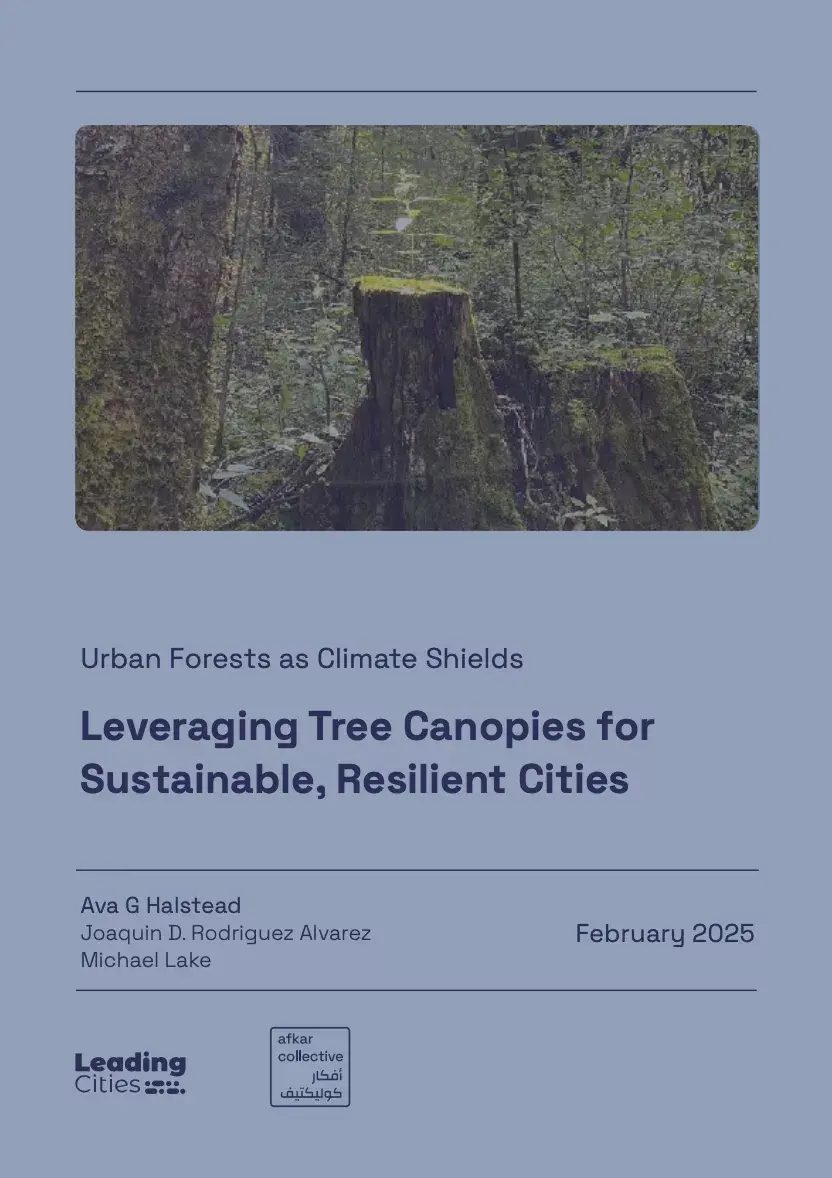
Leveraging Tree Canopies for Sustainable, Resilient Cities
Urban forests are powerful climate shields, helping cities combat rising temperatures, manage water, and build resilience. By mitigating the Urban Heat Island effect through shade and evapotranspiration, trees offer natural temperature regulation—even at night. When integrated into urban agriculture, forests improve soil health and food security, supporting both environmental and social resilience in the face of climate extremes.
Beyond heat, urban forests protect against natural disasters like floods, wildfires, and coastal storms. Coastal and riparian trees act as bio-shields, while innovative technologies—from satellite heat mapping (WEO) to AI-powered tree planning (Taro AI), wildfire prevention systems (FortyGuard), and wave-attenuating structures that protect coastal forests (Reef Arches)—amplify their impact. As cities seek sustainable solutions, urban forests stand out as essential infrastructure for a more resilient future.

Talent Magnets: Cities and Universities Building the Workforce for a Knowledge Economy
Explore how cities can partner with universities to transform themselves into hubs of innovation, attract top-tier talent, and future-proof their local economies. Universities serve as powerful anchor institutions, bringing together research capacity, entrepreneurial energy, and a steady pipeline of skilled graduates. When cities actively collaborate with these institutions, they can unlock opportunities to strengthen local industries, support emerging startups, and cultivate dynamic, knowledge-based economies that remain competitive in an evolving global landscape.
This report highlights practical strategies for building effective city–university partnerships that translate academic insight into real-world impact. It examines how municipalities can work with higher education leaders, researchers, and industry partners to foster innovation districts, accelerate technology transfer, and create environments where new ideas can grow into thriving businesses. By showcasing proven approaches and successful collaborations, the report provides a roadmap for communities seeking to leverage their educational assets to drive long-term economic resilience and growth.

Co-Creation Connectivity: Addressing the Citizen Engagement Challenge
Cities thrive when their residents are actively engaged in shaping the future of their communities—but traditional approaches to public participation often struggle to capture diverse voices or keep pace with modern decision-making. This publication explores how co-creation and digital connectivity are transforming civic engagement, giving city leaders new tools to involve residents more meaningfully in shaping policies, services, and urban development.
Through global insights and practical examples, the report highlights innovative strategies that help municipalities move beyond one-way communication toward genuine collaboration with their communities. From digital engagement platforms to participatory design processes, it offers a forward-looking perspective on how cities can strengthen trust, broaden participation, and build more responsive governance in the digital age.
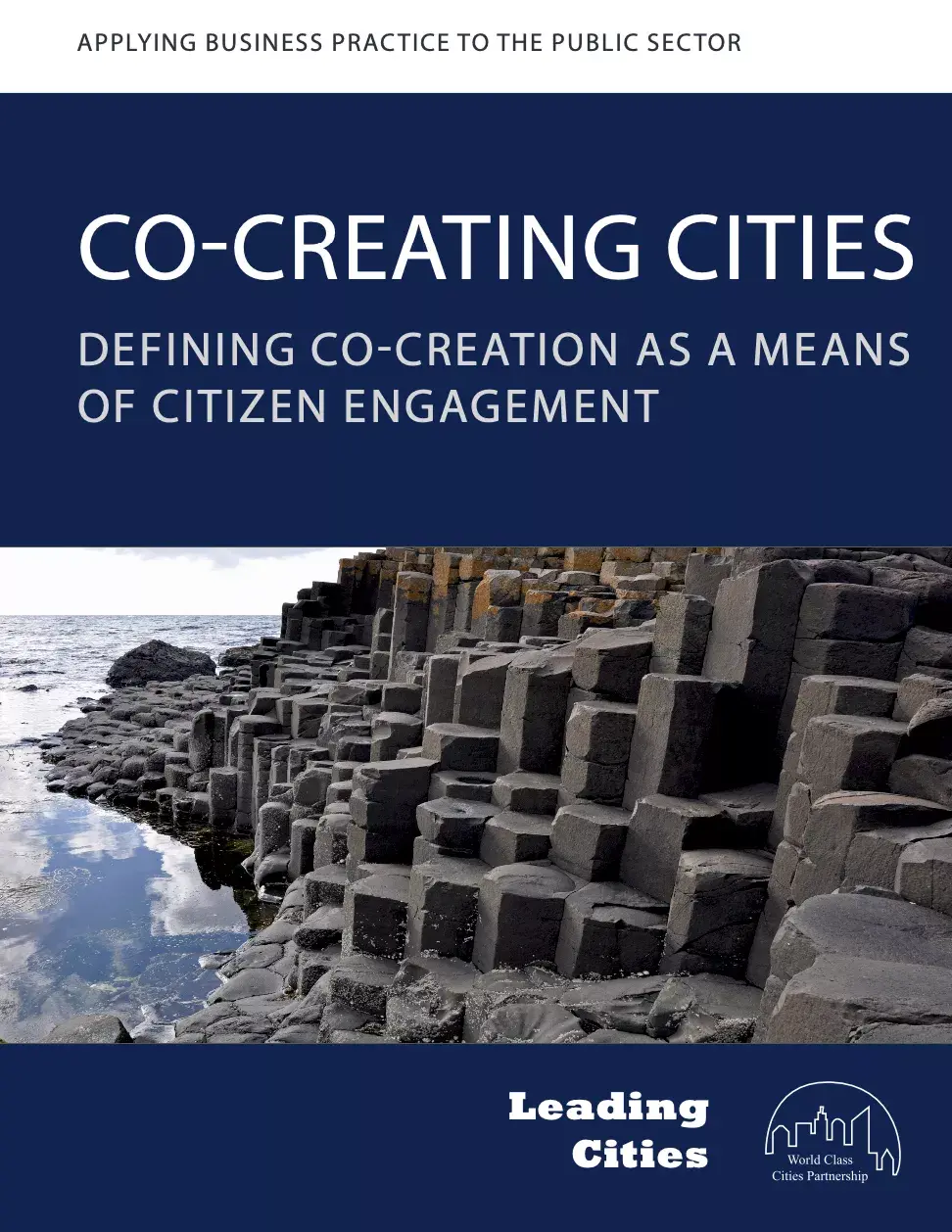
Co-Creating Cities: Defining Co-Creation as a Means of Citizen Engagement
What if citizens weren’t just asked for feedback, but invited to help design city solutions from the very beginning? This report explores how cities like Barcelona, Boston, and Hamburg are redefining civic participation through co-creation—a collaborative model that brings together government, academia, businesses, and residents to shape policies and initiatives together.
Through real-world examples and practical insights, the publication highlights how co-creation can unlock new forms of innovation, strengthen trust between institutions and communities, and lead to more inclusive and equitable outcomes. It offers city leaders a fresh perspective on how collaboration can transform civic engagement and drive better solutions for complex urban challenges.
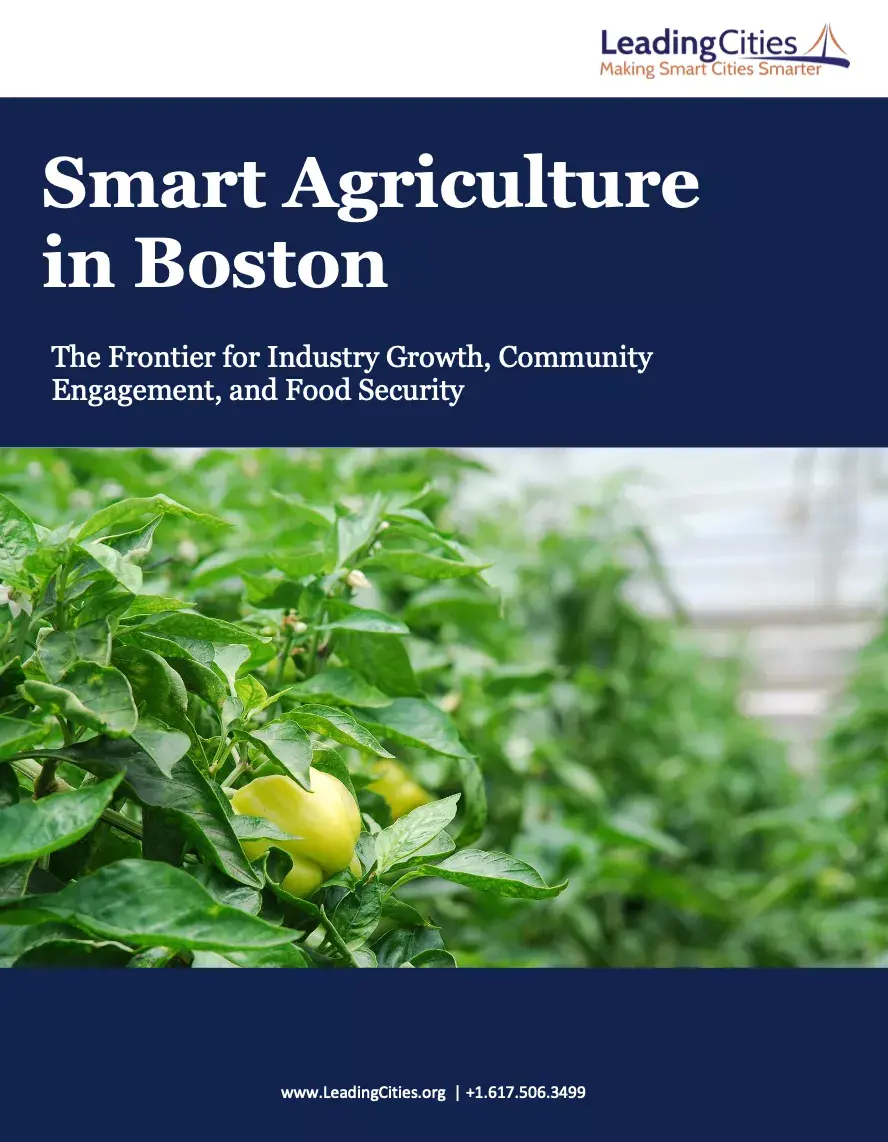
Smart Agriculture in Boston: The Frontier for Industry Growth, Engagement, and Food Security
Boston’s agricultural sector may be small, but its potential is significant. This report explores how the city can position itself as a leader in smart agriculture by leveraging policy, education, and emerging technologies to cultivate a more resilient, climate-friendly food system. It examines how innovative approaches—from urban and vertical farming to research partnerships and workforce development—can help expand the role of agriculture within the city’s broader economic and sustainability strategies.
Through practical insights and forward-looking recommendations, the report highlights how integrating agriculture with community priorities can support local industry, create new career pathways, and strengthen food security. By aligning innovation, sustainability, and economic development, Boston has the opportunity to transform agriculture into a meaningful driver of inclusive growth and environmental resilience.